Introducing the
Omni Processing Unit (OPU)
Tsavorite’s OPU is built from the ground up for agentic execution – bringing orchestration, compute, memory, and fabric closer together to reduce data movement, synchronization overhead, and underutilized compute. Configure modular OPU systems that scale from edge AI to infrastructure without inheriting legacy CPU/GPU/NIC bottlenecks.
Built for agentic AI execution
OPU reduces the bottlenecks that limit AI agents: data movement, synchronization overhead, memory latency, and idle compute

Higher compute utilization
Unified orchestration keeps compute fed by reducing CPU/GPU/NIC handoffs and synchronization stalls.

Less data movement
Unified memory and fabric reduce costly transfers between models, tools, memory, and orchestration.

Lower latency at scale
Composable OPU chiplets bring memory, compute, and fabric closer as workloads expand across tiers.
The Omni Processing Unit scales for every AI deployment
Configure OPU systems from edge AI to hyperscale infrastructure with a modular chiplet architecture that scales chiplets to match compute and deployment needs.
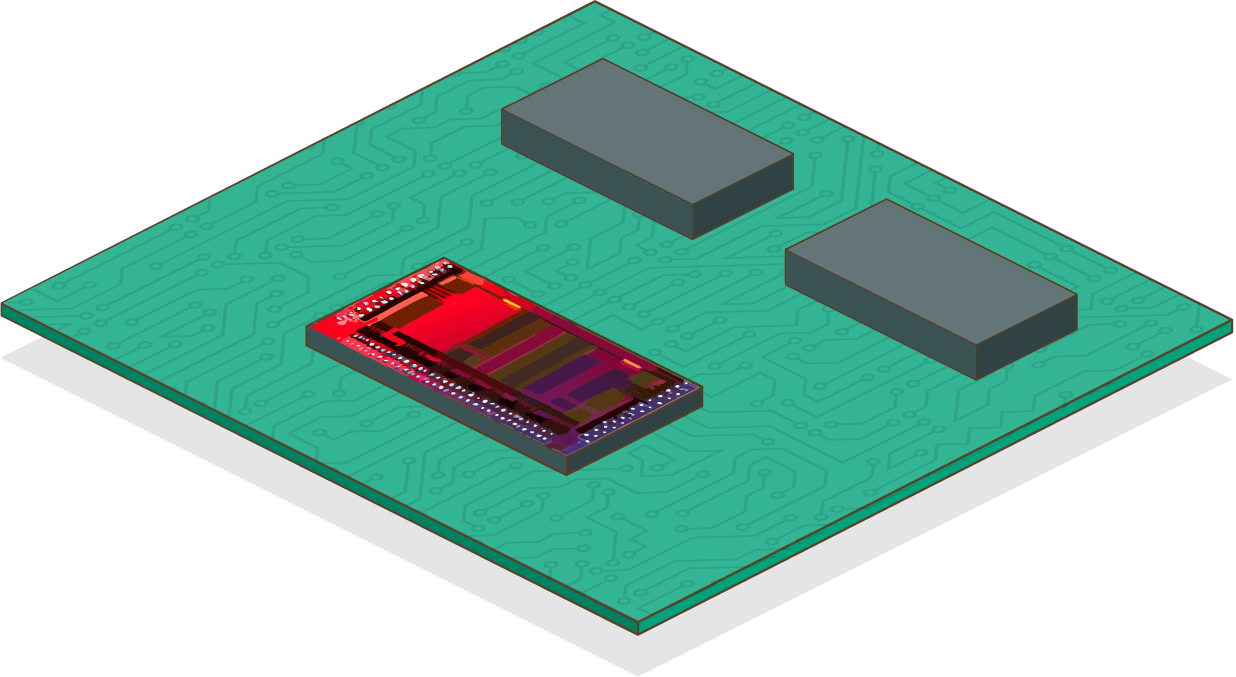
Omniflex
0 chip

SkyFlex
1 chip
built for
Smart edge appliances
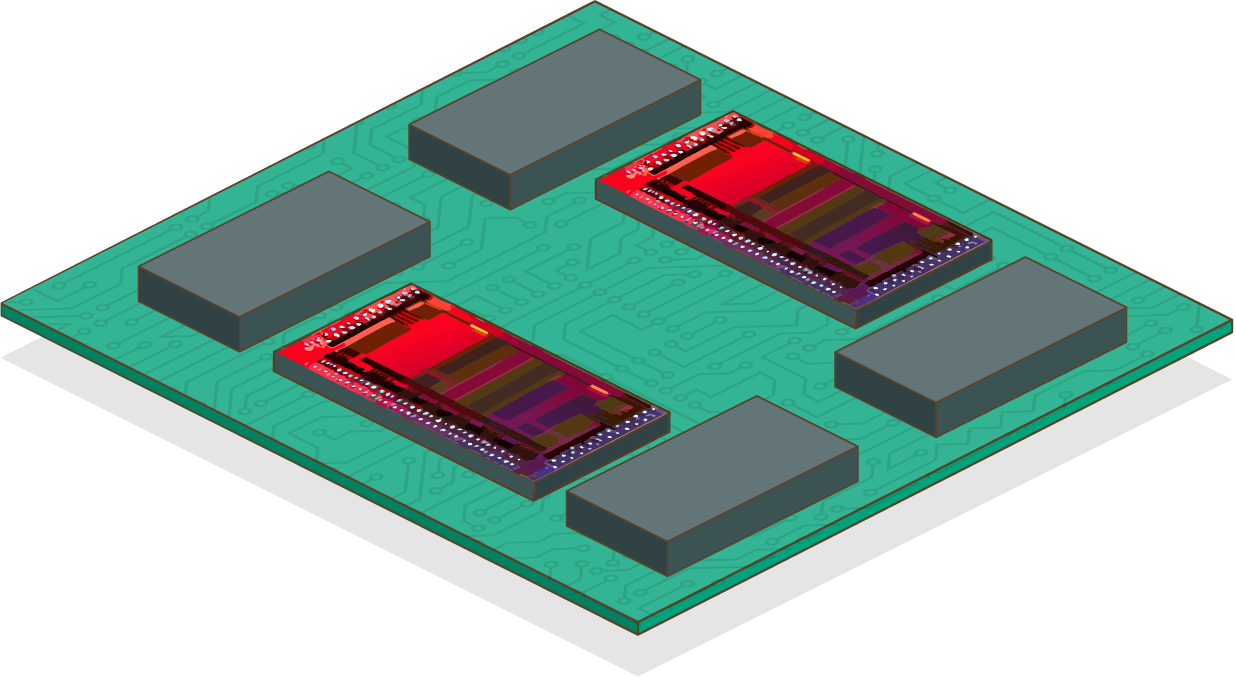
Omniflex
0 chip
SkyFlex
2 chips
built for
On-device AI agents
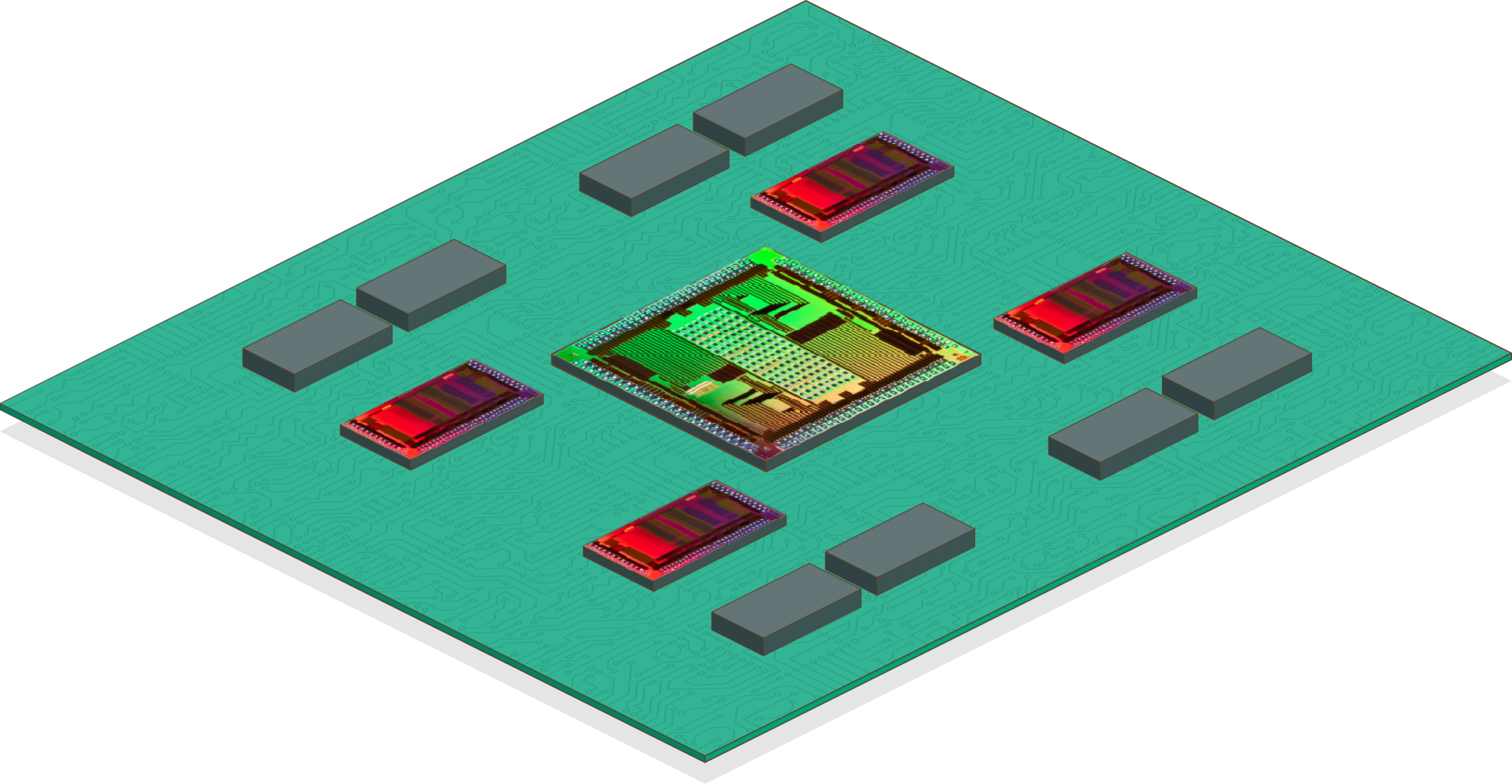
Omniflex
1 chip
SkyFlex
4 chips
built for
High Performance Physical AI
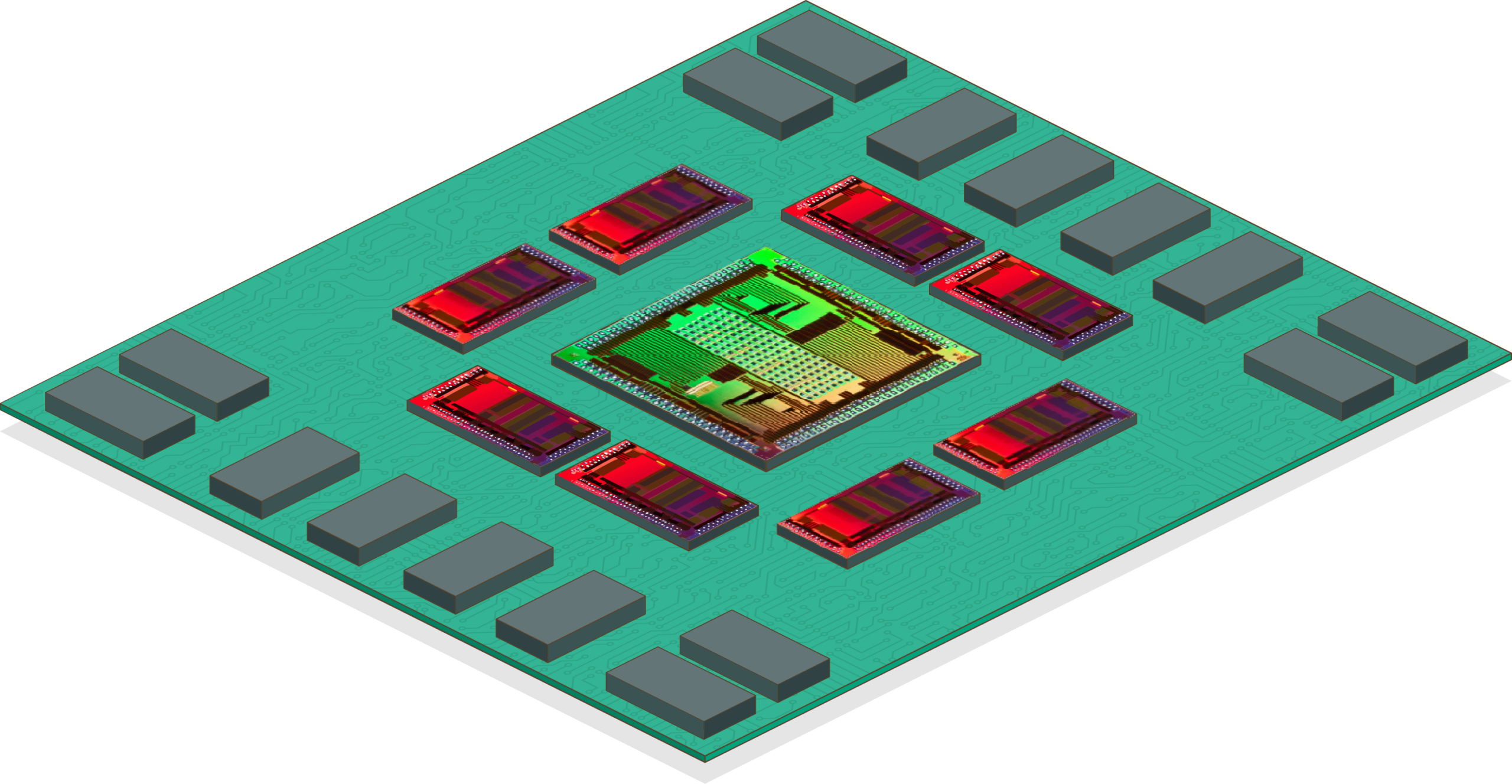
Omniflex
1 chip
SkyFlex
8 chips
built for
Local fine-tuning and inference workstations
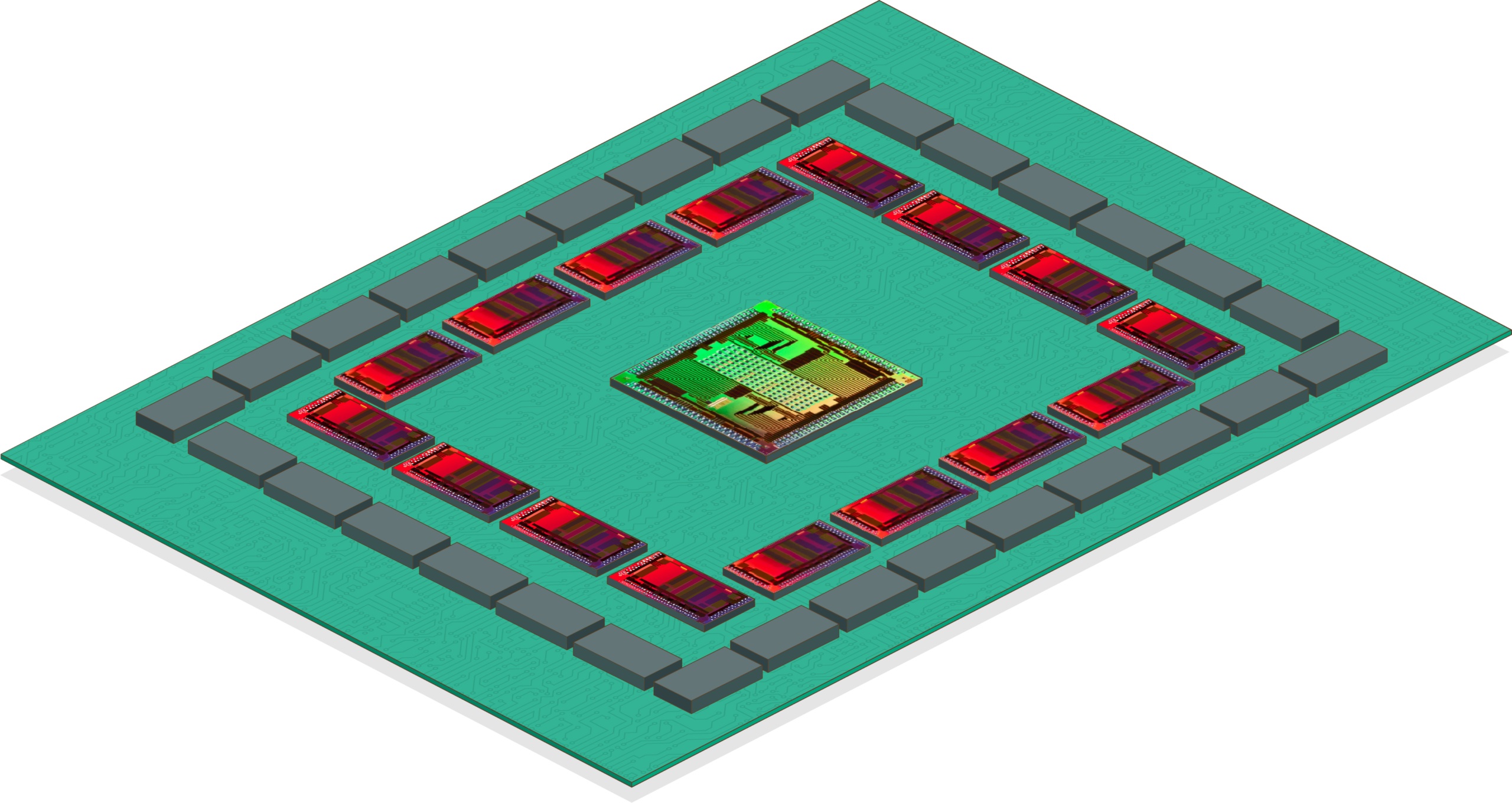
Omniflex
1 chip
SkyFlex
16 chips
built for
Scale-up metro AI infrastructure
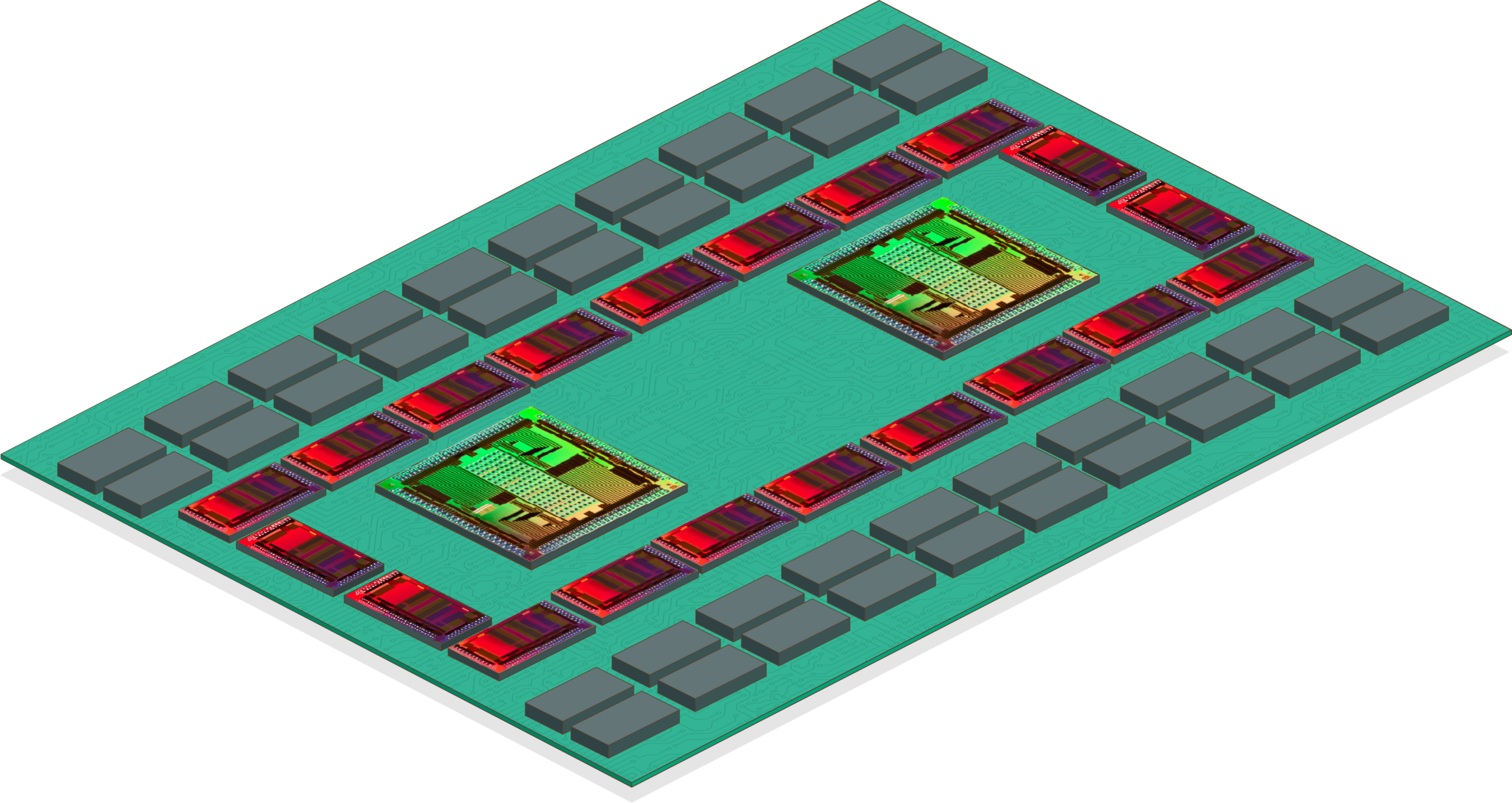
Omniflex
2 chips
SkyFlex
20 chips
built for
Enterprise AI clusters for agentic employees
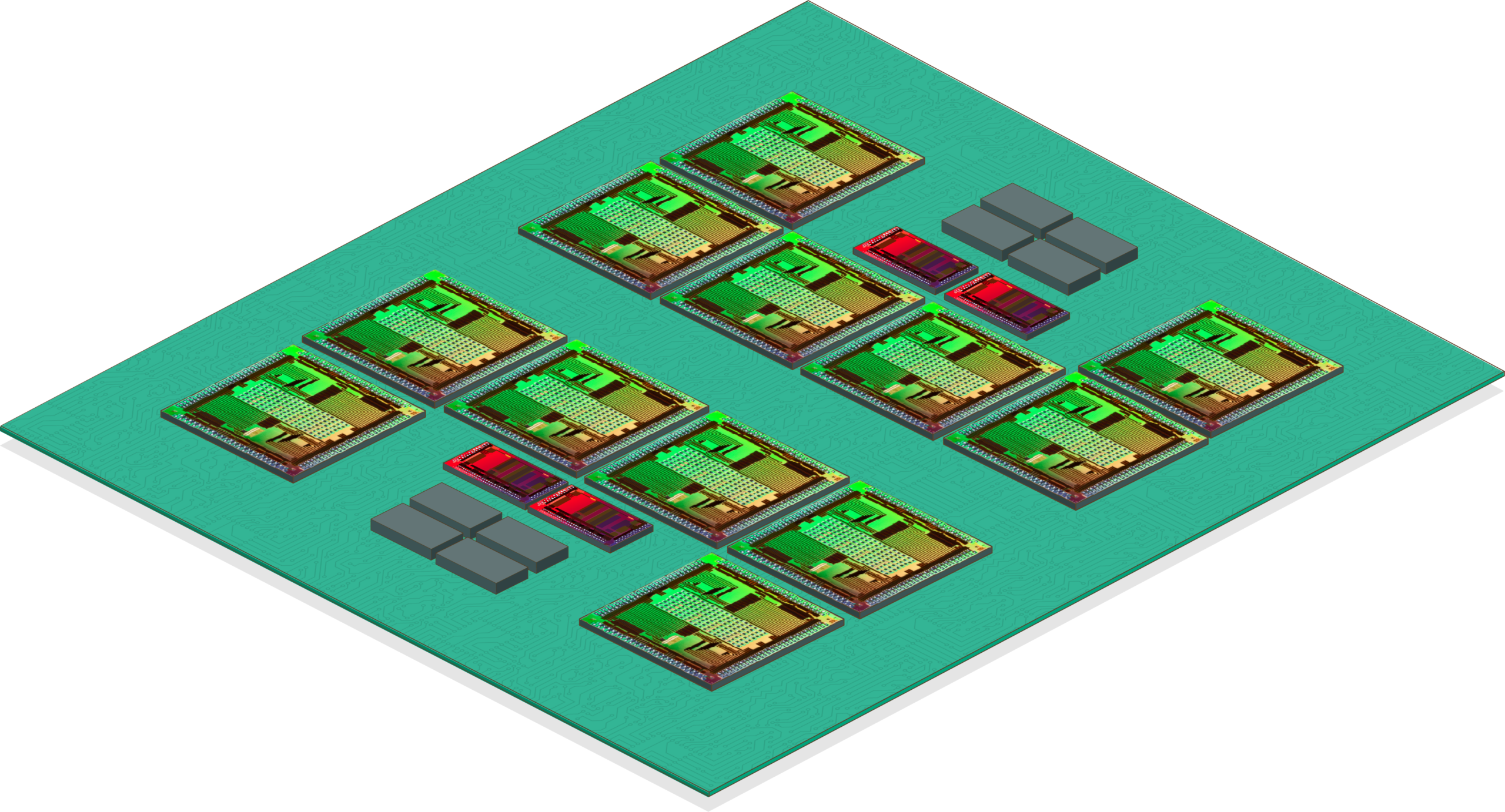
Omniflex
12 chips
SkyFlex
4 chips
built for
Datacenter scale agentic AI
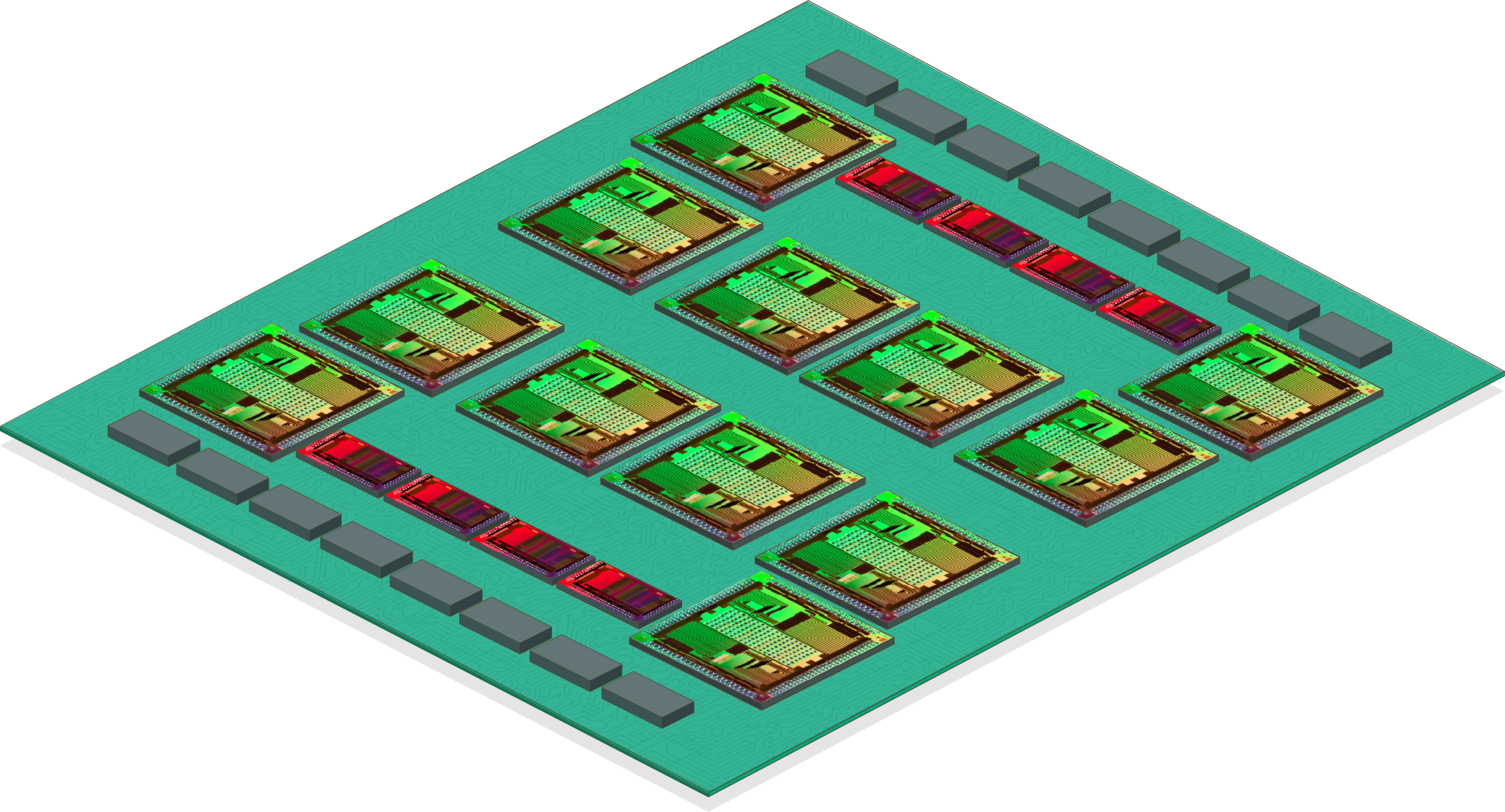
Omniflex
12 chips
SkyFlex
8 chips
built for
Hyperscale infrastructure for training and ultra-low latency inference
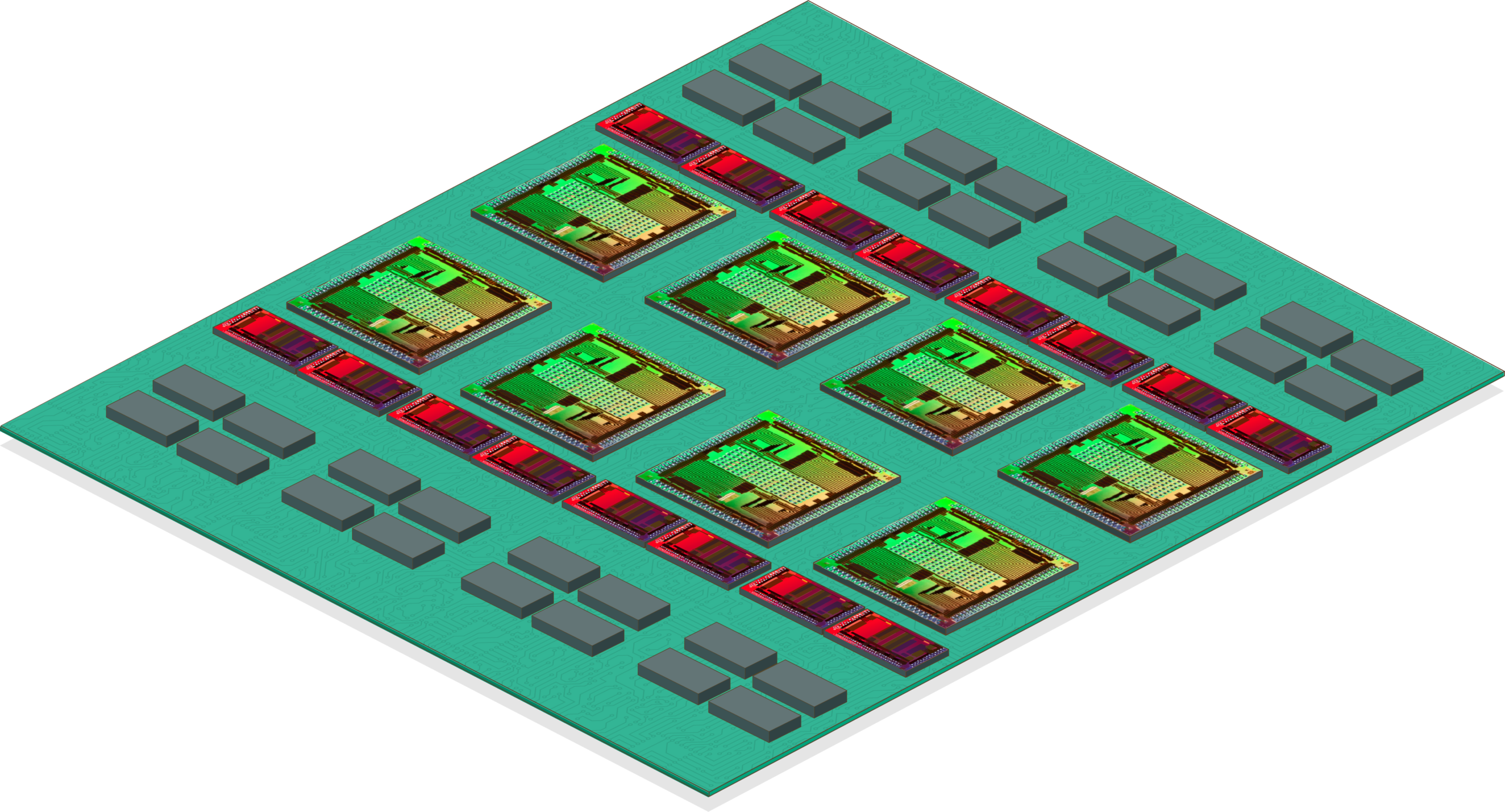
Omniflex
8 chips
SkyFlex
16 chips
built for
Datacenter pods with KV cache disaggregation
Deployments
Edge AI
Enterprise AI
Datacenter AI
Hyperscale AI
Omniflex
0 chip
SkyFlex
1 chip
built for
Smart edge appliances
Omniflex
0 chip
SkyFlex
2 chips
built for
On-device AI agents
Omniflex
1 chip
SkyFlex
4 chips
built for
High Performance Physical AI
Omniflex
1 chip
SkyFlex
8 chips
built for
Local fine-tuning and inference workstations
Omniflex
1 chip
SkyFlex
16 chips
built for
Scale-up metro AI infrastructure
Omniflex
2 chips
SkyFlex
20 chips
built for
Enterprise AI clusters for agentic employees
Omniflex
12 chips
SkyFlex
4 chips
built for
Datacenter scale agentic AI
Omniflex
12 chips
SkyFlex
8 chips
built for
Hyperscale infrastructure for training and ultra-low latency inference
Omniflex
8 chips
SkyFlex
16 chips
built for
Datacenter pods with KV cache disaggregation
The architecture behind higher utilization
OPU is designed around the agentic execution loop: orchestration, compute, memory, and fabric work as one system instead of separate components stitched together by slow transfers.

Unified orchestration
AI OmniCore coordinates execution across models, memory, tools, and network paths, reducing fragmented CPU/GPU/NIC control loops.

MultiPlexus fabric
A high-bandwidth, ultra-low-latency fabric connects OPU clusters and memory so agent workloads can move through the system with fewer transfer bottlenecks.

Unified memory
Large-capacity, high-bandwidth memory sits closer to compute and orchestration, reducing round trips and helping sustain utilization under agentic loops.
One OPU architecture, every deployment tier
25W-2500W
Power envelope
500TOPS-100PetaFLOPS
Raw AI performance
48GB-1TB
Unified memory
4-128
Arm Neoverse V3 cores
FAQs
Common questions about the Omni Processing Unit (OPU)
What is the Omni Processing Unit (OPU)?
The OPU is Tsavorite’s architecture for AI compute, designed to be composable from the ground up. Instead of a single fixed chip, it treats compute, memory, and interconnect as resources that can be assembled and scaled to match a workload. This means one architecture can serve models across very different environments, from the edge to the datacenter, adapting to what you run rather than forcing your workload to fit fixed silicon.
How is the OPU different from a GPU?
A GPU gives you a fixed ratio of compute, memory, and bandwidth, and every workload has to fit within it. The OPU takes a composable approach. Its compute, memory, and interconnect are designed to scale independently, so you can provision for the model in front of you instead of over-buying one dimension to get enough of another. The intent is to improve utilization and efficiency across a wider range of AI workloads, from inference to training.
What makes the OPU composable?
Composable means the core building blocks of compute are not locked into one fixed configuration. In the OPU, resources such as compute, memory, and interconnect can be combined and scaled to fit a given workload, then reconfigured as needs change. In practice, this lets a single architecture span many deployments and grow over time, so you are not tied to one point design or forced to replace the platform each time your models get larger.
What is MultiPlexus?
MultiPlexus is the fabric that ties the OPU together, and it operates at every level of the system. It begins as a coherent, high-performance network on chip with distributed caches, then extends over UCIe to connect all chiplets in a package, over SERDES to connect all packages in a system, and scales up further across systems and racks to form unified memory pods. This any-to-any fabric is what makes composability real. As it scales up – more compute and memory operate as one – raising arithmetic intensity and AI compute utilization.
What is the OPU built for?
The OPU is built for modern AI workloads across a wide range of environments, from on-premises and edge deployments to larger datacenter systems. It targets use cases where efficiency, scale, and flexibility all matter, including inference and training for large models. Because the architecture is composable, the same platform can be tuned for different points along that spectrum. For details on a specific workload, deployment option, or availability, reach out to our team.
Related insights
Our architecture provides unmatched computational efficiency, allowing intricate AI models to operate with low latency and high throughput.
Beyond GPUs: why we built Tsavorite
Our view is that AI has outgrown the way the industry builds computers for it. Adding more of the same hardware is no longer the answer. AI needs an architecture designed for it from the start, one that becomes more efficient as it grows rather than less.
Tsavorite Scalable Intelligence Sets New Frontier for AI Efficiency and Scale with the Omni Processing Unit
Transform your AI infrastructure today
Connect with our team of semiconductor experts to discover how Tsavorite can accelerate your AI development and deployment.
Contact us